


Choosing the right diamond blade isn’t just about making a cut, it directly impacts productivity, safety, and overall job cost. The wrong blade will slow operatives down, wear out quickly, increase downtime on site, and frustrate the team.
1. Match the Blade to the Material
The most important factor when selecting a diamond blade is the material you are cutting. Different materials require different bond types to perform correctly, and getting this wrong will quickly lead to poor performance and unnecessary cost. Diamond blades are designed with specific bond types for different materials:
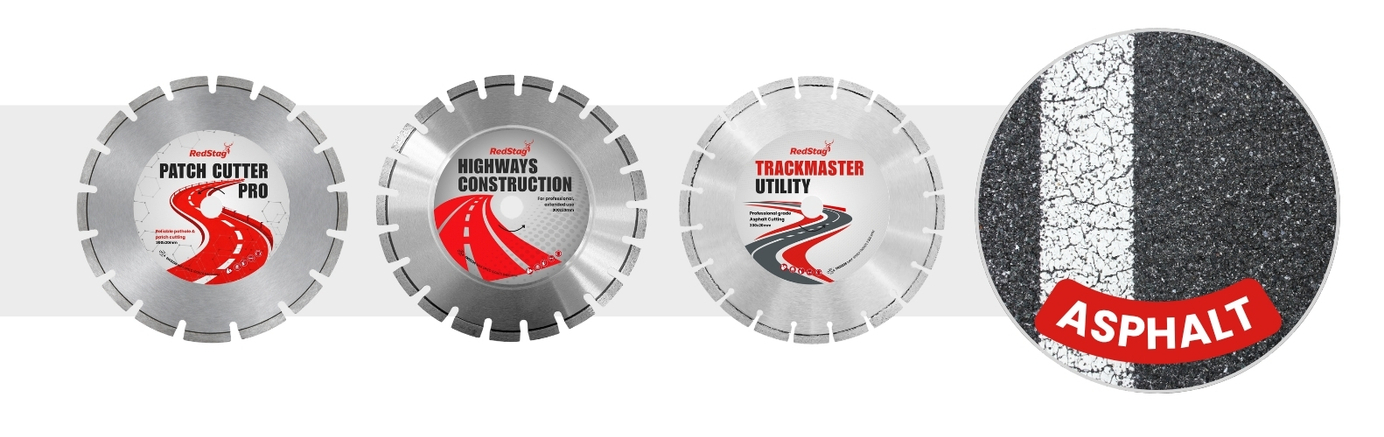
Asphalt / Tarmac – Hard bond to withstand highly abrasive materials and extend blade
life
Cured Concrete / Reinforced Concrete – Softer bond to expose diamonds quickly and
maintain cutting speed & performance
Green Concrete / Abrasive Materials – Harder bond to resist excessive wear
Kerbs / Granite / Hard Materials – Soft bond for effective cutting in dense substrates
Multi-use / General purpose blades – Suitable for mixed materials but not optimised for
performance or longevity
Using the wrong blade (e.g. a concrete blade on asphalt) will lead to rapid wear, poor cutting speed, and a higher cost per job.
2. Blade Design, Bond & Construction
Once the material is understood, the next step is understanding how the blade itself is designed. While suppliers will often promote different features, performance ultimately comes down to bond selection, segment design, and overall construction. Bond selection (this is critical)
Soft bond – wears faster and exposes new diamonds (best for hard/dense materials)
Hard bond – wears slower and holds diamonds longer (best for abrasive materials)
Rule: Hard material = soft bond | Abrasive material = hard bond
Blade design and segment type
Segmented blades – Fast, aggressive cutting. Ideal for highways and construction
Turbo blades – Balance between cutting speed and finish
Continuous rim blades – Smooth finish for precision work
Key features that matter on site
Segment height – Taller segments = longer blade life
Gullet size – Larger gullets improve debris removal
Segment spacing – Affects cooling and cutting speed
Blade design features (what suppliers talk about)
Laser welded segments – Strong, heat-resistant bond, common on premium diamond
blades
Sintered (hot pressed) segments – Durable and consistent
Cold pressed segments – Lower-cost, shorter lifespan
Cooling holes and core design – Improve heat dissipation and stability
Diamond distribution / patterns – Minor impact compared to bond and segment design
3. Matching the Blade to the Machine
Choosing the right blade isn’t just about the material—you also need to match it to themachine being used. The wrong combination can reduce performance, damage equipment, and create safety risks.
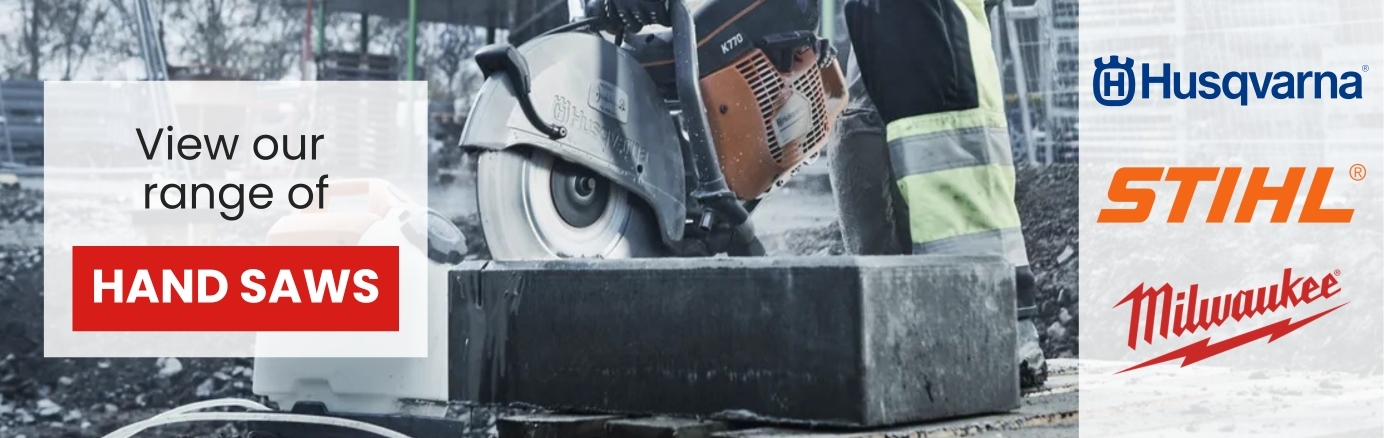
- Handheld cut-off saws (e.g. Stihl TS410 / TS420) are typically used for reactive work and
smaller cuts. These usually take 300mm or 350mm blades and run at higher RPM, so the
blade must be rated accordingly. - Floor saws (road saws) are designed for heavier-duty applications. They use larger
diameter blades for deeper cuts and are built for continuous use on roadworks and concrete
slabs.
The bore size (arbor hole) must match the machine. Common sizes include 20mm and 25.4mm. An incorrect bore size will result in poor fitment and can create a safety risk. Always check the maximum RPM rating of the blade against the machine output speed. Running a blade above its rated speed is unsafe and will reduce blade life.
4. Asphalt Cutting: Undercut Protection
When cutting asphalt, wear doesn’t just affect the segments—it attacks the steel core. This is known as undercutting and is a major cause of premature blade failure.
- Undercut protection segments
- Drop segments
- Wide gullets
- Carbide inserts
- Reinforced cores
- Hammer segments
5. Wet vs Dry Cutting
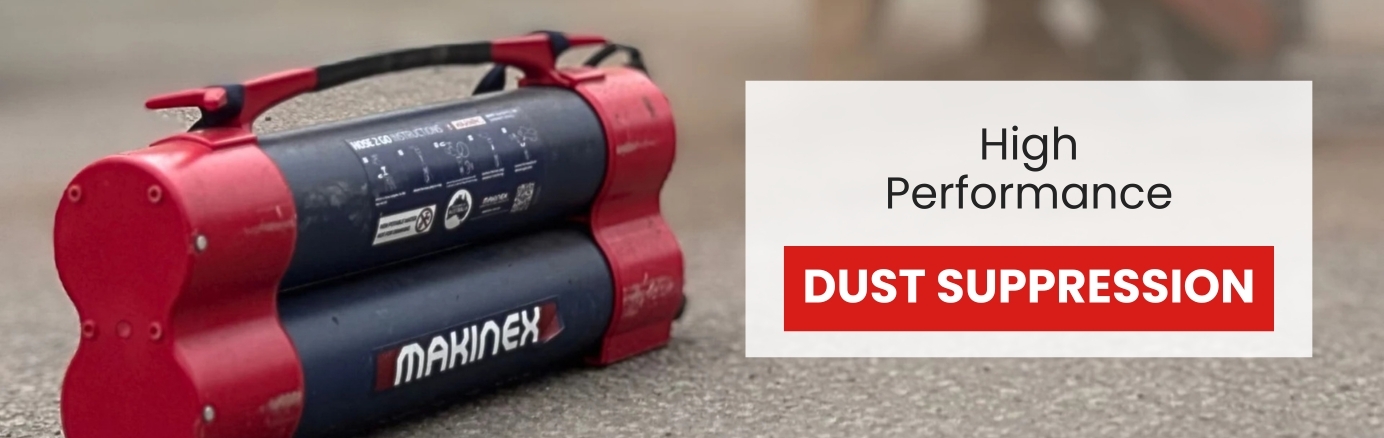
Wet cutting uses water to cool the blade, improving performance, extending life, and reducing dust.
- Dry cutting is more practical for quick or reactive jobs but must be managed correctly:
- Dust must be controlled (not just PPE)
- Allow blade to cool between passes
6. Performance vs Cost
Wrong blade – Wears faster, cuts slower, increases labour time
Right blade – Cuts faster, lasts longer, improves productivity
7. Common Problems on Site
- Blade not cutting – Glazing
Blade wearing quickly – Wrong bond
Slow cutting – Wrong blade type
Core wear – No undercut protection
Final Thoughts
Match the blade to the job. A well-matched blade will always outperform a feature-heavy Blade used incorrectly.
Need Help Choosing?
The Red Stag team can recommend the right blade or support with on-site trials contact us!
E. [email protected] T.03456 460 3541