

The Health & Safety Executive (HSE) has launched a nationwide inspection campaign targeting engineered stone fabricators, alongside new guidance designed to tackle exposure to respirable crystalline silica (RCS).
Why? Because silica dust exposure is causing serious and irreversible health conditions including silicosis, COPD and lung cancer, often before symptoms even appear.
Research shows that dry cutting can expose workers to 5–10 times more silica dust than wet cutting methods, making effective dust suppression essential on site.
The updated COSHH guidance makes it clear:
- No dry cutting
- Use on-tool water suppression
- Control airborne mist and slurry
- Wear suitable RPE
- Carry out regular health surveillance
- Maintain clean working areas to prevent secondary dust exposure
HSE inspectors are expected to carry out over 1,000 inspections across Great Britain, with enforcement action for businesses failing to meet legal requirements.
Why Dust Suppression Matters
The COSHH ST3A guidance specifically highlights the need for:
- continuous water suppression,
- effective mist control,
- regular cleaning,
- and preventing dust becoming airborne again from dry surfaces or clothing.
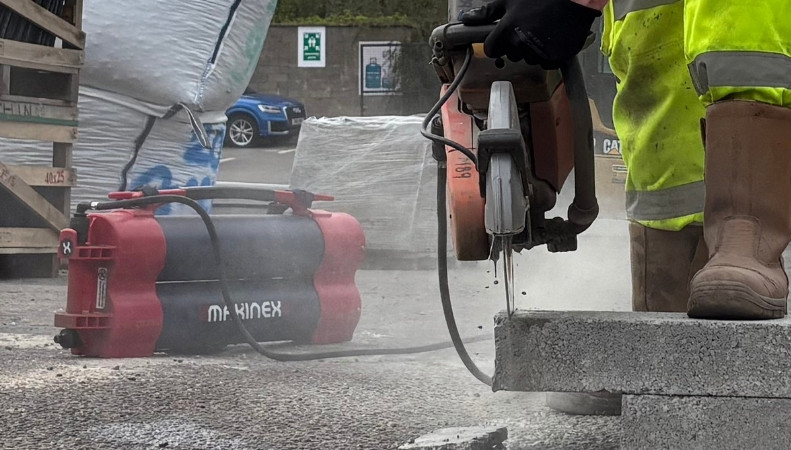
Keep Compliant With The Hose 2 Go Dust Suppressor .
Designed to deliver consistent pressure and fast, portable dust suppression exactly where it’s needed, the Hose 2 Go system helps reduce airborne dust during cutting, grinding and drilling tasks, supporting safer working practices and helping teams stay compliant with current guidance.
With HSE scrutiny increasing, now is the time to review your dust control procedures and make sure your site is properly protected.
>> Find Out More About The Hose 2 Go <<
Sources: HSE Gov Guidance